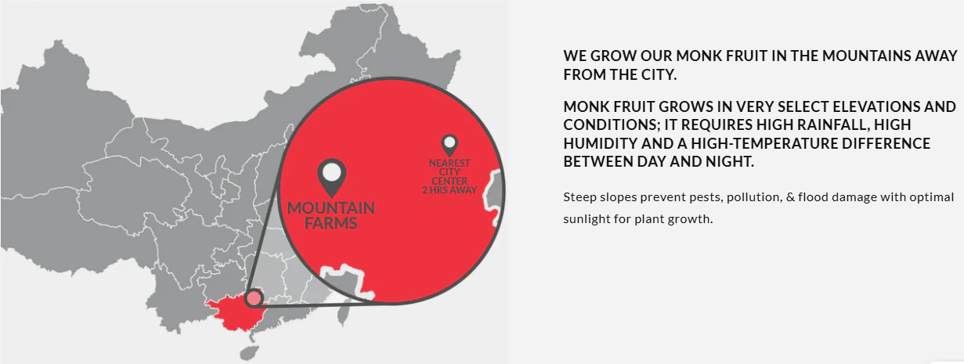
Monk fruit, also known as Luo Han Guo, derives its name from the Luo Han monks who were the first to discover and cultivate this remarkable fruit in the remote mountain regions of China. Traditionally, these monks used monk fruit as both a natural sweetener and a restorative herbal ingredient, valuing it for its ability to bring gentle sweetness without overwhelming the body. They were not only healers of people—using plants, herbs, and whole foods to support wellbeing—but also dedicated stewards of the land, practising careful, low-impact farming that respected the natural environment and seasonal cycles.
Today, we proudly carry on their tradition by assisting individuals and families in overcoming their dependence on refined sugar, offering a way to enjoy sweetness while reducing overall sugar intake. Our monk fruit sweeteners are designed to help you recreate your favourite recipes—from everyday cups of tea and coffee to home-baked cakes, biscuits, and slices—without the blood sugar spikes associated with regular sugar. In doing so, we aim to support a balanced lifestyle for those following low-carb, keto, diabetic-friendly, or simply more mindful eating patterns.
Furthermore, we prioritise sustainable practices in every stage of monk fruit cultivation and processing. This includes working with growers who use responsible farming methods, supporting non-GMO ingredients, and carefully managing our supply chain to minimise waste. A key part of this commitment is the operation of our zero-emissions processing plant, which is designed to reduce our environmental footprint while preserving the delicate, clean sweetness of monk fruit. By uniting traditional wisdom with modern, eco-conscious technology, we strive to offer a sweetener that’s better for you and gentler on the planet.